Most church mobilization consultants have theories. Wayne Lanier has a documented case study — peer-reviewed, independently verified, and measurable down to the percentage point.
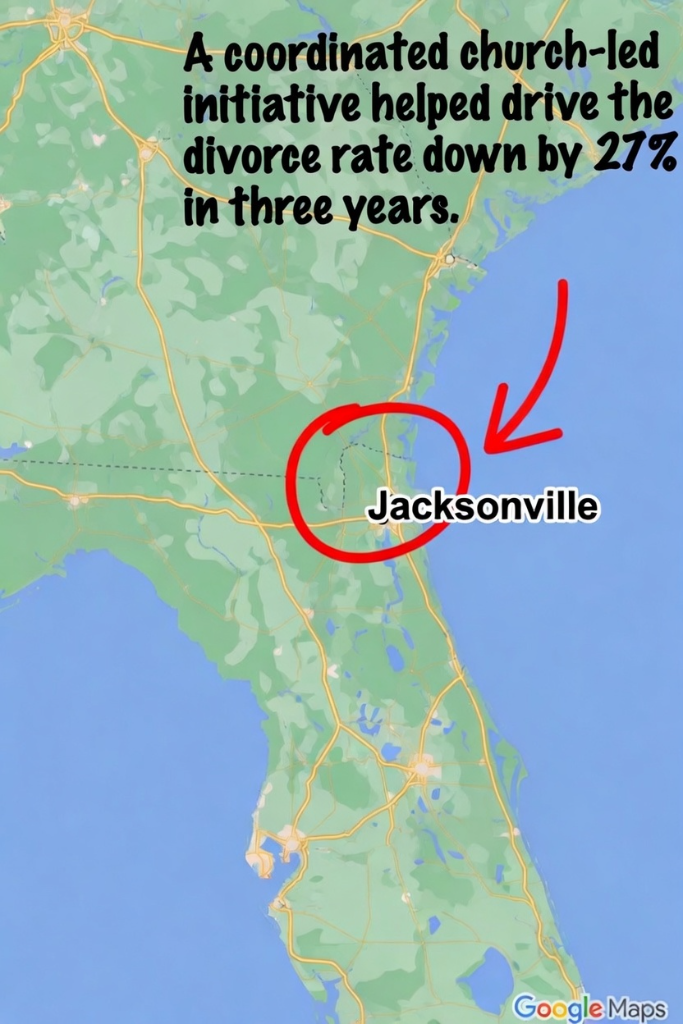
Before founding Labor of Love International, Wayne served at Celebration Church in Jacksonville, Florida — one of the largest churches in the state. While there, he helped lead a community-wide initiative that would become one of the most well-documented examples of what happens when the local church gets organized around vulnerable families.
The results weren't anecdotal. They were documented by the Institute for Family Studies and the Philanthropy Roundtable. And they hold a lesson every church needs to hear before launching a foster care ministry.
The Context: Jacksonville, Florida
Jacksonville is located in Duval County — a sprawling urban-county jurisdiction with a population of nearly one million people. Like most American cities, it faced significant challenges around family stability: high divorce rates, fatherless homes, and the cascading social consequences that follow.
Celebration Church, where Wayne served, was one of the largest and most influential congregations in the region. But Wayne understood something that many church leaders miss: a single church, no matter how large, cannot solve a community-wide crisis alone. What was needed was a coordinated, multi-church effort — a ground campaign.
The Culture of Freedom Initiative
The effort was called the Culture of Freedom Initiative. It was a coordinated, church-led campaign to strengthen marriages and families across Duval County. The strategy combined two elements that are rarely used together effectively:
- •Digital outreach. Using media and online tools to reach families in crisis with resources, support, and connection to local churches.
- •An extensive on-the-ground network of churches. Not one church working alone — a coalition of congregations across denominations, each mobilizing their people to serve families in their neighborhoods.
The initiative wasn't a program. It was a movement. Churches committed to working together, sharing resources, and saturating their communities with practical support for families in crisis. Wayne's role was helping coordinate the effort — connecting churches, building strategy, and ensuring that the ground campaign actually reached real people in real neighborhoods.
The Results: A 24% Decline in Two Years
From 2015 to 2017, Duval County's divorce rate fell by 24%.
That number deserves a moment of reflection. A 24% decline in divorce rate in a county of nearly one million people — in just two years. To put that in perspective: during the same period, the national average decline was roughly 6%. Duval County's decline was more than four times the national rate.
The Institute for Family Studies and the Philanthropy Roundtable documented these results independently. Their research attributed the decline specifically to the combination of digital outreach and the extensive on-the-ground network of churches working together through the Culture of Freedom Initiative.
This wasn't a government program. It wasn't a nonprofit initiative. It was the Church — organized, coordinated, and committed — producing measurable community transformation.
"That experience gave me something most church mobilization consultants don't have: documented, peer-reviewed proof that a church-led ground campaign produces measurable community outcomes. It's not theory. It happened."
— Wayne Lanier, Founder, Labor of Love International
What This Teaches Us About Foster Care Mobilization
The Culture of Freedom Initiative focused on marriage and family strengthening. But the principles that made it work apply directly to foster care mobilization — because both are about the same thing: the Church getting organized around vulnerable families.
Here are the lessons every church should take from Jacksonville before launching a foster care ministry:
1. No Single Church Can Do It Alone
Celebration Church was one of the largest churches in Florida. But Wayne didn't try to do it alone. He built a coalition. The results came from a network of churches working together — not from one megachurch.
If your church is considering foster care ministry, start by asking: who else in our area is already doing this? What other churches could we partner with? The strongest foster care ministries are coalitions, not solo efforts.
2. Combine Digital and On-the-Ground Strategy
The Jacksonville initiative succeeded because it paired digital outreach with real, physical presence in neighborhoods. Online resources reached people in crisis; local churches were there to catch them when they responded.
For foster care ministry, this means using digital tools — social media, your church website, online training — to cast vision and recruit. But it also means having real people showing up at real meetings, building real relationships with caseworkers, and providing real, physical support to foster families.
3. Measurable Results Require Coordinated Effort
The 24% decline didn't happen because churches did random acts of kindness. It happened because there was a coordinated strategy — shared goals, shared resources, shared accountability. Churches knew what they were aiming for and measured their progress.
For foster care ministry, this means setting specific goals: How many families will we license this year? How many respite providers will we train? How many children in our county will we be able to serve? If you don't measure it, you won't know if you're making a difference.
4. The Church Has Unique Capacity That Government Doesn't
What happened in Duval County couldn't have been done by a government agency. Government can pass laws and fund programs. But it can't build the kind of relational infrastructure that churches naturally have — people in every neighborhood, trust built over years, a theological mandate to care for the vulnerable.
The same is true for foster care. The state can remove a child from danger. But the state cannot provide a family, a community, or the kind of sustained, relational support that a mobilized church can offer. That's not a critique of government — it's a recognition of what the Church is uniquely designed to do.
From Jacksonville to Foster Care: The Same Blueprint
After the Jacksonville experience, Wayne and Diana Lanier founded Labor of Love International to apply these same principles to foster care and orphan ministry. The five-stage framework — Inspire, Explore, Equip, Fund, Launch — is built on the same DNA that produced measurable results in Duval County.
The difference? Instead of targeting divorce rates, Labor of Love targets the foster care crisis — the 400,000+ children in U.S. foster care, the 140 million orphans globally, and the churches that have the capacity to respond but need a framework to do it well.
Wayne brings something to the table that few church mobilization leaders can: documented proof that when the Church gets organized around vulnerable families, community-level change is not just possible — it's measurable.
Is Your Church Ready?
The Jacksonville case study proves that church-led mobilization works. But it starts with a decision — the same decision Celebration Church made: We're going to do something about this. Not someday. Now.
If your church is ready to say yes to foster care ministry, here's where to start:
- •Take the free Church Readiness Assessment — find out where your congregation is and what your next step should be.
- •Follow the 12-week launch timeline — a step-by-step plan to go from conversation to commitment by September.
- •Schedule a call with Wayne — he'll walk with your team through the process, drawing on 35 years of mobilization experience.
The children in your county are waiting. Your church has the capacity to respond. The only question is whether you'll say yes.
Support This Mission
Your giving directly funds foster care support, orphan care in India, indigenous pastor training, and clean water wells for persecuted communities.
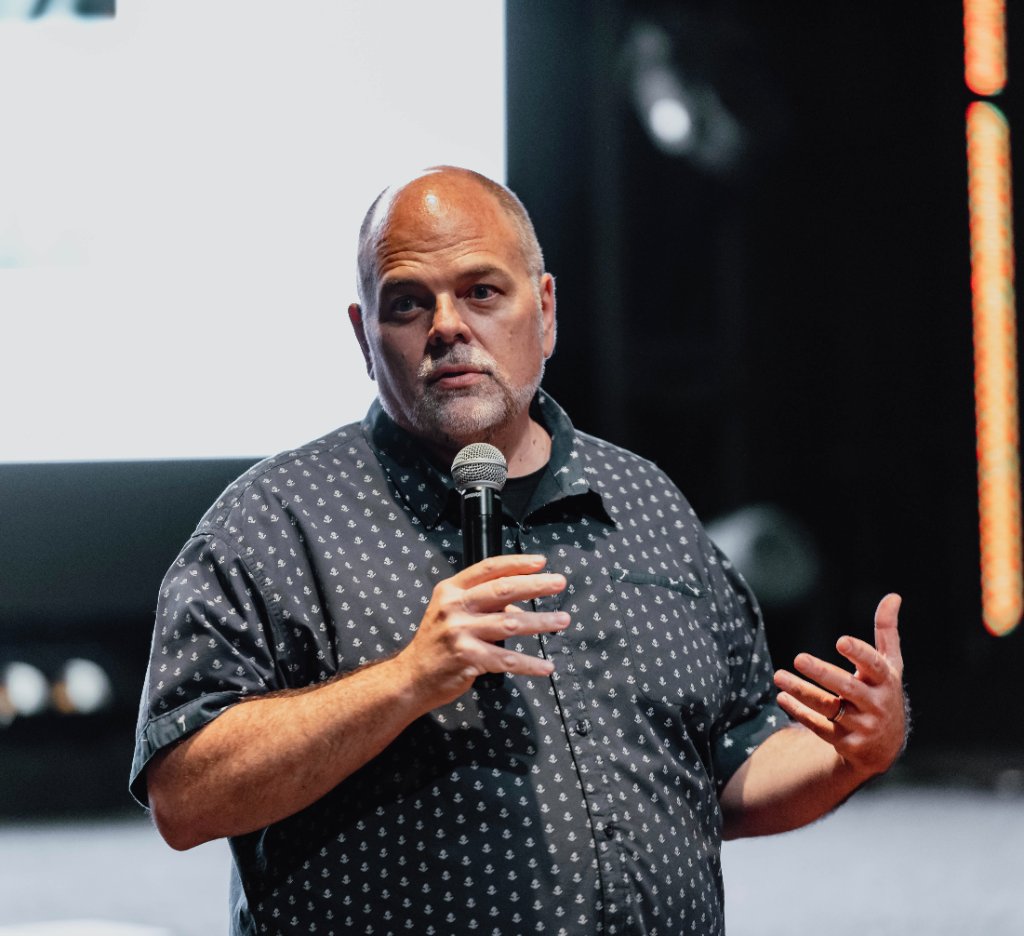
Wayne Lanier
Founder & Executive Director, Labor of Love International Ministries
Wayne Lanier has 35+ years of experience in foster care, adoption, FASD advocacy, and global orphan ministry. He and his wife Diana adopted five children through the foster care system and co-founded Labor of Love International Ministries to equip local churches to care for vulnerable children in the U.S. and around the world.
Read more about Wayne & Diana →