
One man. 109 churches. Thousands of believers. And it all started with theological training delivered in his own language, in his own country, by leaders who understood his world.
Pastor Benjamin Soona oversees 109 churches in his regional association in India. Not 109 individual Christians — 109 churches, each with its own pastor, its own congregation, its own spiritual multiplication happening. If you trace this network back, you're looking at thousands of believers reaching across multiple regions — all flowing from the leadership of one man who was equipped, not imported.
This is what happens when you invest in indigenous pastors. And it's why Labor of Love International has made indigenous pastor training the centerpiece of our global missions strategy.
The Case for Indigenous Leadership
The most effective missionary in any community is almost never someone who arrived from outside it. This is one of the most well-documented findings in global missions research — and one of the most consistently ignored.
The history of Western missionary enterprise is rich with genuine sacrifice and lasting fruit. It is also marked by cultural imposition, dependency, and the creation of churches that collapse when the foreign missionary leaves. The structural problems with the Western missionary model are well-known:
- •Language barriers. A foreign missionary may learn conversational Hindi or a regional dialect — but pastoral depth requires fluency that takes decades to develop. Indigenous pastors already speak the language.
- •Cultural distance. Illustrations, authority structures, and assumptions about how the world works are fundamentally different across cultures. An indigenous pastor doesn't have to translate the Gospel into a foreign cultural framework — he lives in it.
- •Cost. Sending and supporting a Western missionary in India can cost $50,000–$100,000+ per year. Training an indigenous pastor costs $1,500–$3,000 per year. The cost-per-soul-reached differential is staggering.
- •Dependency. Churches built on foreign funding and foreign leadership often struggle to sustain themselves when that support is removed. Indigenous-led churches are self-sustaining from the start.
- •Tenure. Foreign missionaries face furloughs, family needs, and eventual return to their home culture. An indigenous pastor serves his community for life.
Two Pastors. Two Stories. One Model.
The Bible Training Centers don't produce theoretical outcomes. They produce real pastors leading real churches. Consider two of them.
Pastor Benjamin Soona: One Man, 109 Churches
Pastor Benjamin Soona oversees 109 churches in his regional association in India. He didn't build all 109 churches himself. Instead, he equipped and released leaders. He multiplied by training. He grew by discipling. He created a culture where every pastor understood their role in advancing the kingdom — not just maintaining their own congregation.
He developed a structure of accountability and support where pastors are connected to one another, learning together, helping one another, sharing resources. He's the leader not because he's the most talented, but because he's the one who sees and releases the talents in others. Read Pastor Benjamin's full story.
This is the biblical pattern. Jesus didn't heal every sick person in Israel — He trained twelve who went and did the works that He did. Paul didn't establish himself as the eternal pastor of each congregation — he equipped local elders and deacons who would shepherd the flock after he moved on. He wrote to Timothy about entrusting what he'd learned "to faithful men who will be able to teach others also" (2 Timothy 2:2).
Pastor Benjamin is doing the same thing. He's not the bottleneck — he's the catalyst. And because of that, the gospel isn't limited by his capacity but multiplied by his vision.
Pastor Surendra Nand: From Loss to 140 Members
Pastor Surendra Nand serves in Mahasamund, Chhattisgarh. He lost his parents and brother early in life — the kind of loss that breaks most people. Instead, he planted a church. Today he leads a congregation of 140 members, and his influence extends far beyond his direct congregation through the network of pastors he's connected to through the Bible Training Centers.
"Training gave me the depth I needed to sustain what God started," Pastor Surendra says. "Before, I was a shepherd without a staff. Now I have the tools — and I can give them to others." Read Pastor Surendra's full story.
How the Bible Training Centers Work
Labor of Love operates two Bible Training Centers in India: one in Raipur (Chhattisgarh) and one in Kesinga (Odisha). Together they have trained 80+ indigenous pastors and lay leaders — with the vision of expanding dramatically.
The curriculum is developed in partnership with AWKNG School of Theology, ensuring world-class theological content delivered in a culturally appropriate format. The training model is residential-intensive — pastors come for concentrated periods of theological education and then return to their communities equipped to teach, lead, and multiply.
Key components of the training include:
- •Biblical theology: Systematic study of Scripture in the students' own language, with attention to cultural hermeneutics.
- •Pastoral ministry: Preaching, counseling, church governance, discipleship, and conflict resolution.
- •Church planting and multiplication: How to plant self-sustaining churches that reproduce — not dependent congregations that require ongoing external support.
- •Contextual evangelism: How to communicate the Gospel effectively in their specific cultural, religious, and social context — including in communities with significant Hindu or tribal religious backgrounds.
- •Leadership and administration: Practical skills for leading growing churches, managing finances, and building accountability structures.
The Economics: Why This Is the Highest-Leverage Investment in Global Missions
The cost-effectiveness of indigenous pastor training is almost impossible to overstate. Consider the numbers:
- Cost to send and support a Western missionary for one year$50,000–$100,000+
- Cost to provide a full year of training for an indigenous pastor$1,500–$3,000
- Reach of one trained indigenous pastorOne congregation of 50–400 people — for decades
- Reach of one pastor like Benjamin Soona109 churches and growing
Suppose it cost $5,000 over several years to train Pastor Benjamin. And suppose he has, over his lifetime, developed even 50 of the 109 pastors who are now leading churches. That means an investment of roughly $100 per pastor developed — each of whom is now pastoring congregations, discipling believers, and potentially developing other leaders.
But the ROI isn't measured in dollars. It's measured in souls reached, in communities transformed, in the kingdom of God advancing. It's measured in believers living out their faith, families experiencing grace, and communities experiencing the testimony of Christ.
The Persecution Context
It's important to understand the context in which these pastors serve. India has seen increasing persecution of Christians in recent years. In many villages, Christians — often from lower-caste or tribal backgrounds — face discrimination, social exclusion, and sometimes violence. In some communities, Christians are denied access to the communal water source.
This is why the Wells of Hope program exists — providing freshwater wells for communities where Christians are denied access to the communal supply. Each $2,500 well serves an entire village. Physical need and gospel access go together.
Indigenous pastors understand this context intimately. They know the risks. They know the language. They know which neighbors are hostile and which are open. A foreign missionary would take years to develop this kind of cultural intelligence — if they ever could. An indigenous pastor was born into it.
When you equip indigenous leaders, you're not creating dependency on outside resources. You're building a sustainable, locally-rooted movement that can multiply and grow for generations without needing Western support or presence. Pastor Benjamin's network of 109 churches represents Indian Christians leading Indian churches. It represents the Kingdom of God being advanced by the people who live in the region, speak the language, and understand the culture.
The Challenge and the Opportunity
Pastor Benjamin's story raises a challenge and an opportunity. The challenge: there are thousands of pastor networks like his across India, and they're operating without adequate resources or formal training. Pastors are leading churches with passion and calling but without the theological depth, pastoral skills, or leadership training that would multiply their effectiveness.
The opportunity: equipping these networks is one of the highest-impact investments we can make in global ministry. A $3,000 investment in training one pastor could strengthen ministry that impacts thousands. A $50,000 investment in a Bible Training Center could equip dozens of leaders over several years.
"My role isn't to be the pastor of 109 churches. My role is to equip 109 pastors to lead their churches well and multiply what God is doing."
— Pastor Benjamin Soona
How to Support Indigenous Pastor Training
If this model resonates with you — if you see the multiplication potential of equipping leaders who already know their culture, language, and context — here's how you can help:
- •Sponsor a pastor's training: $3,000 provides a full year of Bible Training for one indigenous pastor — equipping them to lead and multiply for decades.
- •Support a Bible Training Center: Help us sustain and expand the centers in Raipur and Kesinga — reaching more pastors, more regions, more churches.
- •Fund curriculum development: Help us create contextual biblical materials that are culturally relevant and theologically rigorous.
- •Ongoing partnership: Monthly giving to sustain training operations — the backbone of long-term impact.
Learn more about our Bible Training Centers — and give today to sponsor a pastor's training. The investment multiplies for decades.
Support This Mission
Your giving directly funds foster care support, orphan care in India, indigenous pastor training, and clean water wells for persecuted communities.
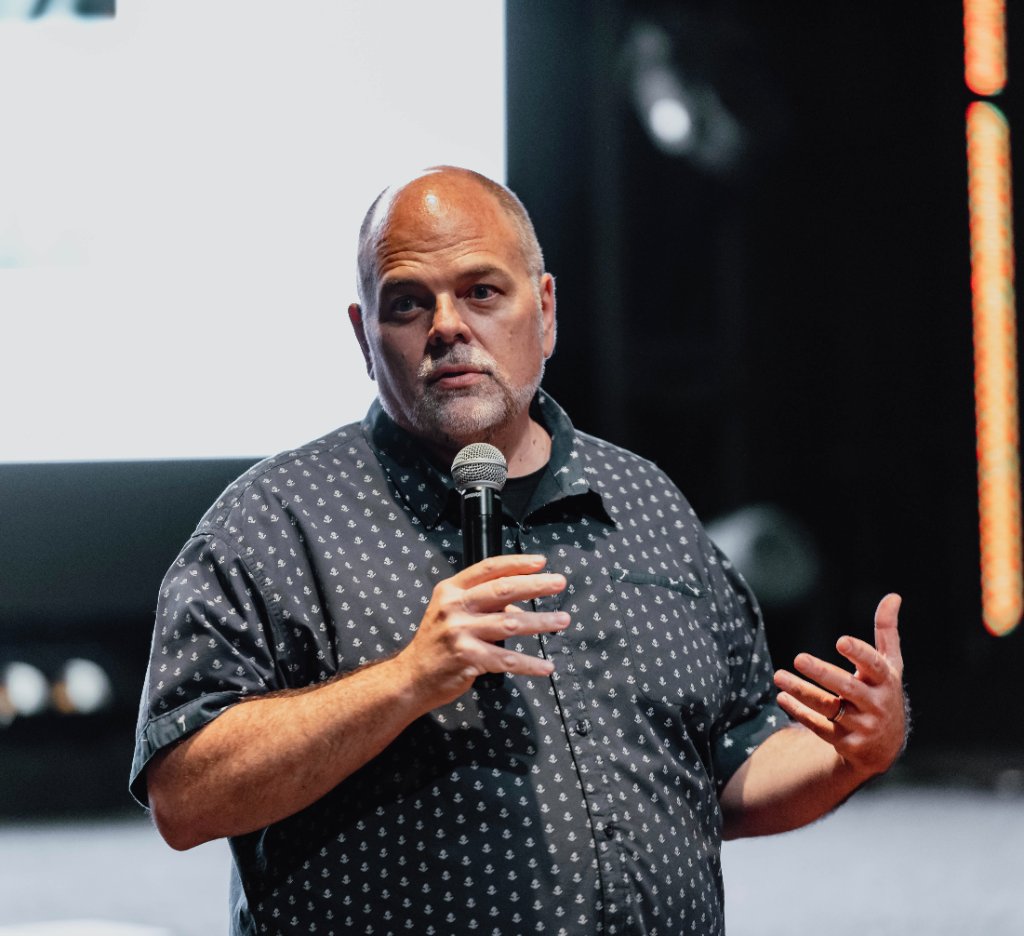
Wayne Lanier
Founder & Executive Director, Labor of Love International Ministries
Wayne Lanier has 35+ years of experience in foster care, adoption, FASD advocacy, and global orphan ministry. He and his wife Diana adopted five children through the foster care system and co-founded Labor of Love International Ministries to equip local churches to care for vulnerable children in the U.S. and around the world.
Read more about Wayne & Diana →