
The most effective missionary in any community is almost never someone who arrived from outside it.
This is one of the most well-documented findings in global missions research — and one of the most consistently ignored. The history of Western missionary enterprise is rich with genuine sacrifice and lasting fruit. It is also marked by cultural imposition, dependency, and the creation of churches that collapse when the foreign missionary leaves.
There is a better model. Labor of Love's Bible Training Centers in India are built on it.
The Problem with the Western Missionary Model
This is not a critique of Western missionaries. Many of them have served with extraordinary faithfulness and at great personal cost. The problem is structural, not motivational.
When a foreign missionary arrives in a community, they bring gifts: resources, training, connections, and often a deep personal faith. But they also bring limitations:
- •They don't speak the local language fluently — which limits depth of pastoral relationship and theological communication.
- •They don't share the cultural background — which means their illustrations, their authority structures, and their assumptions about how the world works are foreign.
- •They are expensive to send and maintain — often requiring 5–10x the funding of a local church leader to accomplish the same task.
- •They create dependency — local congregations that receive foreign funding and foreign leadership often struggle to sustain themselves when that support is removed.
- •Their tenure is limited — furloughs, family needs, and eventual return to home culture mean that long-term pastoral relationship is often impossible.
The Indigenous Alternative
An indigenous pastor trained in their own language, theologically grounded in Scripture, and equipped with ministry skills is the most cost-effective and impactful investment in global missions available.
Consider Pastor Surendra Nand of Mahasamund, Chhattisgarh. He lost his parents and brother early in life. He planted a church. Today he leads a congregation of 140 members — but his influence extends far beyond his direct congregation. Read his full story here.
Consider Pastor Benjamin Soona — one man, 109 churches in his regional association. The training he received through Labor of Love's Bible Training Centers gave him the theological depth and leadership capacity to multiply, not just sustain. His story is remarkable.
Labor of Love's Bible Training Centers
Labor of Love operates two Bible Training Centers in India: one in Raipur (Chhattisgarh) and one in Kesinga (Odisha). Together they have trained 80+ indigenous pastors and lay leaders — with the vision of expanding dramatically.
The curriculum is developed in partnership with AWKNG School of Theology, ensuring world-class theological content delivered in a culturally appropriate format. The training model is residential-intensive — pastors come for concentrated periods of theological education and then return to their communities equipped to teach, lead, and multiply.
Key components of the training include:
- •Biblical theology: Systematic study of Scripture in the students' own language, with attention to cultural hermeneutics.
- •Pastoral ministry: Preaching, counseling, church governance, discipleship, and conflict resolution.
- •Church planting and multiplication: How to plant self-sustaining churches that reproduce — not dependent congregations that require ongoing external support.
- •Contextual evangelism: How to communicate the Gospel effectively in their specific cultural, religious, and social context — including in communities with significant Hindu or tribal religious backgrounds.
- •Leadership and administration: Practical skills for leading growing churches, managing finances, and building accountability structures.
The Economics of Indigenous Training
The cost-effectiveness of indigenous pastor training is almost impossible to overstate. Consider:
- Cost to send and support a Western missionary for one year$50,000–$100,000+
- Cost to provide a full year of training for an indigenous pastor$1,500–$3,000
- Reach of one trained indigenous pastorOne congregation of 50–400 people — for decades
- Reach of one pastor like Benjamin Soona109 churches and growing
"Training gave me the depth I needed to sustain what God started. Before, I was a shepherd without a staff. Now I have the tools — and I can give them to others."
— Pastor Surendra Nand, Mahasamund, Chhattisgarh
How to Support Indigenous Pastor Training
Sponsoring an indigenous pastor's training is one of the highest-leverage investments available in global missions. Your gift provides:
- →Full curriculum materials in the pastor's native language
- →Accommodation and meals during residential training periods
- →Ongoing mentorship and support from the training center leadership
- →Connection to a network of trained pastors for mutual accountability and support
Learn more about our Bible Training Centers — and give today to sponsor a pastor's training. The investment multiplies for decades.
Support This Mission
Your giving directly funds foster care support, orphan care in India, indigenous pastor training, and clean water wells for persecuted communities.
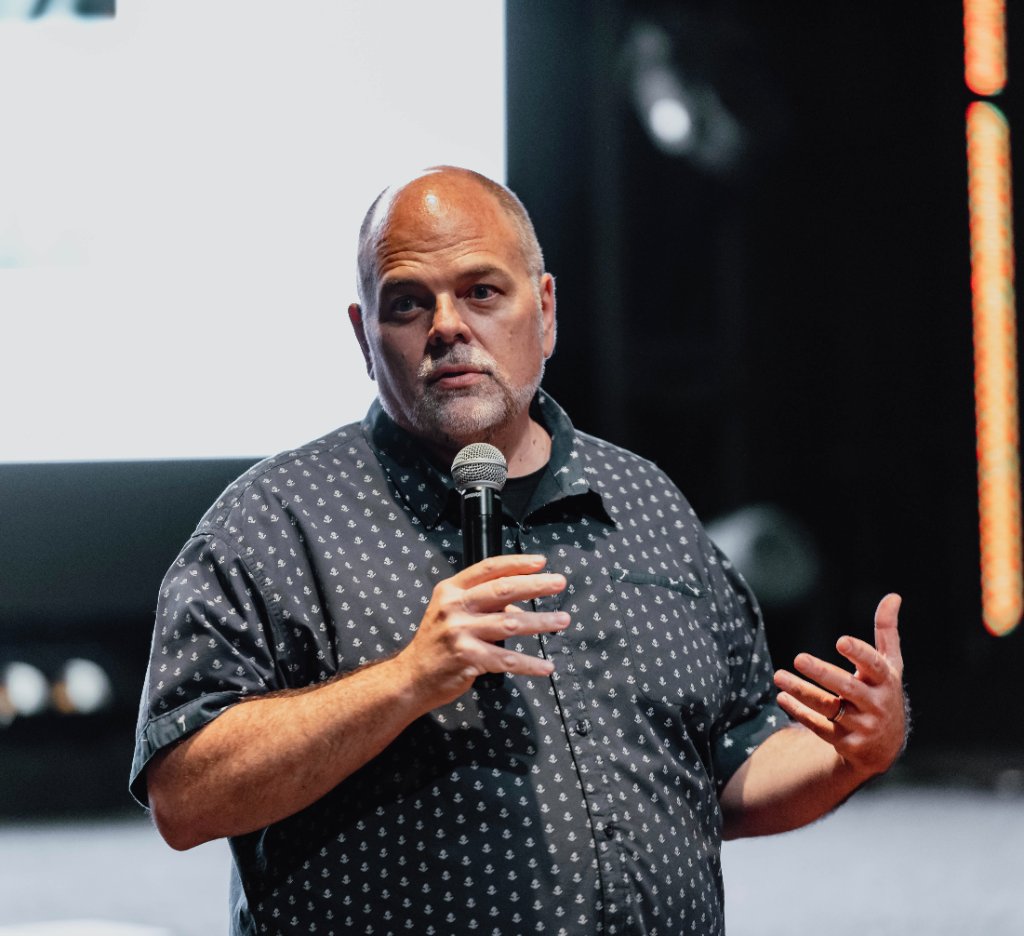
Wayne Lanier
Founder & Executive Director, Labor of Love International Ministries
Wayne Lanier has 35+ years of experience in foster care, adoption, FASD advocacy, and global orphan ministry. He and his wife Diana adopted five children through the foster care system and co-founded Labor of Love International Ministries to equip local churches to care for vulnerable children in the U.S. and around the world.
Read more about Wayne & Diana →