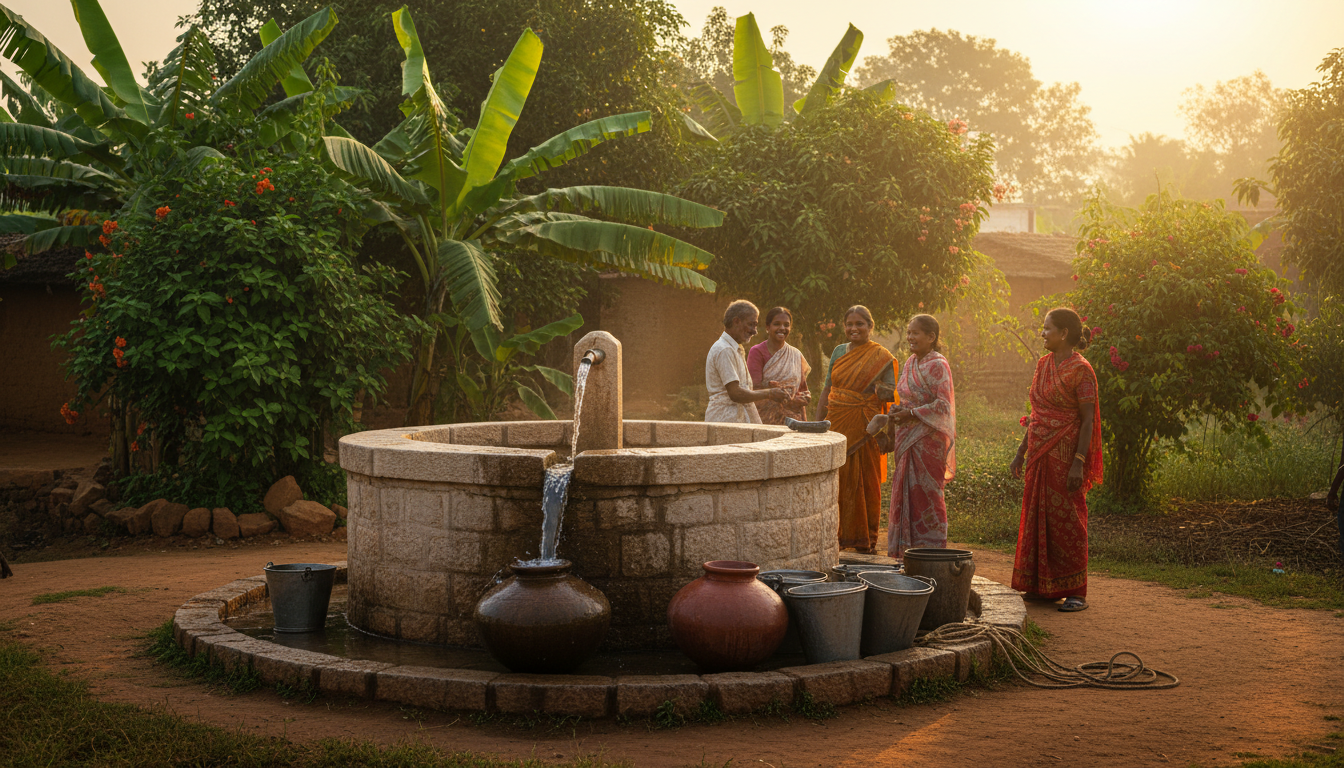
Imagine walking three miles to a well every morning. Not because there isn't a closer well — but because you're not allowed to use it.
In many villages across rural India, this is the daily reality for Christian families. The communal water source is controlled by the dominant caste or religious majority. Christians — often from lower-caste backgrounds or minority tribal communities — are explicitly denied access. They are told that their presence would "contaminate" the water.
This is not ancient history. It is happening today, in communities where Labor of Love works.
The Problem: Water as a Weapon
Water is life. When access to water is controlled and weaponized, it becomes a tool of persecution. Families who have converted to Christianity — or whose children have been educated at mission schools — face systematic exclusion from basic community resources.
The consequences are severe:
- •Women and children spend hours daily fetching water from distant sources — time taken from education, livelihood, and rest.
- •Waterborne disease is rampant when families are forced to use contaminated alternative sources.
- •Economic productivity is decimated when the primary caregiver spends half the day in water transport.
- •The social stigma reinforces isolation and vulnerability.
- •Families face an impossible choice: renounce their faith or accept systematic deprivation.
The Solution: $2,500 and a Drilling Rig
A freshwater well. Drilled on or near the property of a Christian family or local church. Independent of the communal water supply. Accessible to the entire community — including neighbors who have excluded the Christian family from their own water.
For $2,500, Labor of Love can fund the drilling, installation, and commissioning of a single well. That well:
- •Provides clean, safe drinking water to an entire community for decades
- •Eliminates hours of daily water transport for women and children
- •Dramatically reduces waterborne disease
- •Creates immediate goodwill and opens dialogue with neighbors who were previously hostile
- •Establishes the local Christian community as a resource and blessing to their neighbors
- •Opens a natural door for the Gospel — because people ask why Christians would give them water
Physical Water, Living Water
In John 4, Jesus encounters a Samaritan woman at a well — a woman who is also marginalized, also excluded from her community's social fabric. He offers her not just water, but "living water" — a satisfaction that the physical well can never provide.
The Wells of Hope program understands this connection. We are not simply in the business of providing humanitarian aid. We are building bridges — physical bridges of clean water that create the relational and social context for the Gospel to move.
Again and again, our field partners report the same pattern: a well is drilled. Neighbors who had excluded the Christian family come to draw water. Relationships form. Questions are asked. Faith is shared. In several documented cases, entire families and small groups of neighbors have come to faith — because a Christian family was generous with water when they had been denied it.
"When we gave them access to our well, they asked why. We told them: because Jesus gave us living water, and we want to share it. That conversation started a Bible study that is still meeting today."
— Local church leader, Odisha, India
The Numbers
- Cost per well$2,500
- Lifespan of a properly maintained well25–50 years
- People served per well50–300 community members
- Cost per person per yearOften less than $2
How You Can Fund a Well
A gift of $2,500 funds an entire well. A gift of $500 contributes significantly toward a well as part of a collective effort. Churches, small groups, and families have funded wells together as a missions project — and the impact of that single gift echoes for decades.
Learn more about the Wells of Hope program — or give today to fund a well for a persecuted community in India.
Connected to the Larger Mission
The Wells of Hope program doesn't operate in isolation. In the same communities where wells are being drilled, Labor of Love supports Bible Training Centers equipping local pastors, and the Caleb India campus providing residential care for orphaned children. The work is interconnected — addressing physical need, pastoral capacity, and child welfare as a unified mission.
Explore all of Labor of Love's global work — and consider how your church or family might play a part.
Support This Mission
Your giving directly funds foster care support, orphan care in India, indigenous pastor training, and clean water wells for persecuted communities.
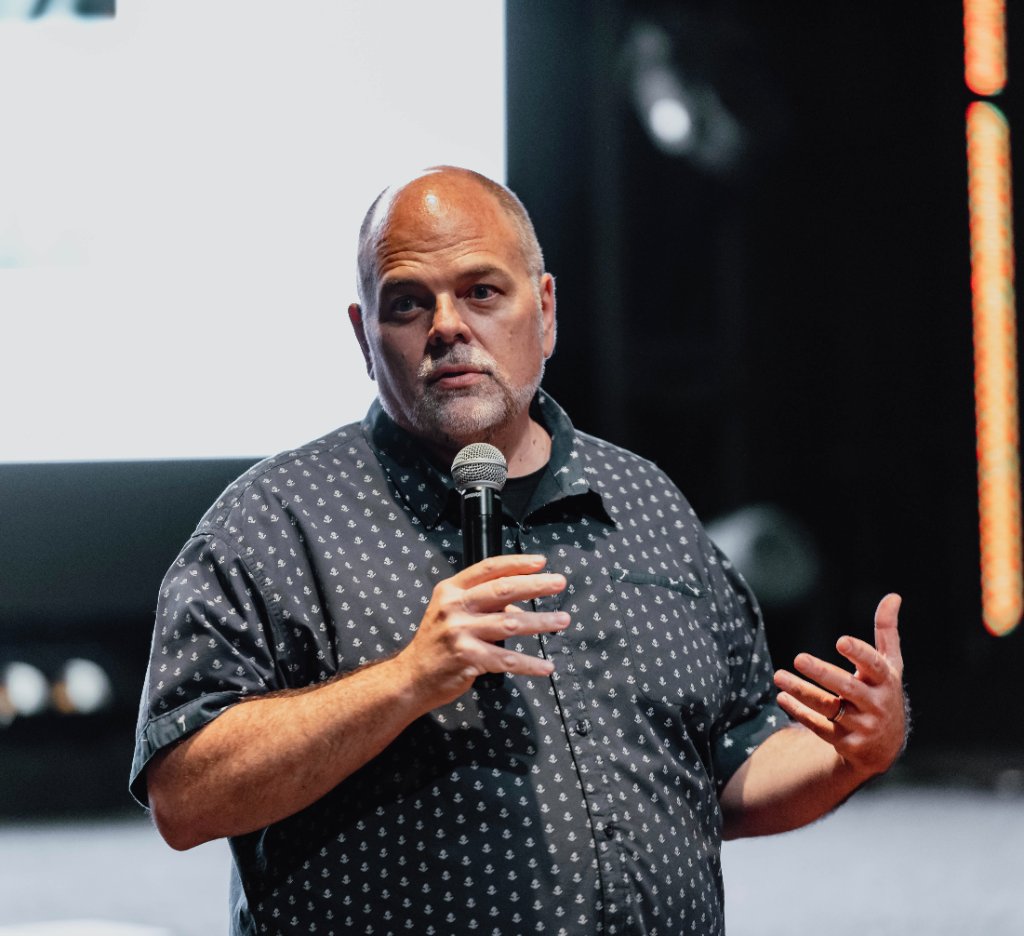
Wayne Lanier
Founder & Executive Director, Labor of Love International Ministries
Wayne Lanier has 35+ years of experience in foster care, adoption, FASD advocacy, and global orphan ministry. He and his wife Diana adopted five children through the foster care system and co-founded Labor of Love International Ministries to equip local churches to care for vulnerable children in the U.S. and around the world.
Read more about Wayne & Diana →