
Every week in America, approximately 1,500 children enter the foster care system for the first time.
Many will be placed with strangers — well-intentioned people who have passed the required training but often don't know the child, don't understand their trauma, and don't have a community of support around them. Many placements will disrupt. Many children will move multiple times in a single year.
The system is not broken because the people in it are bad. It's broken because the infrastructure is inadequate. And the infrastructure that's missing — relationship, community, permanence, grace — is exactly what the Church was built to provide.
What Is Kingdom Foster Care?
Kingdom Foster Care is not a brand. It's a theological conviction: that caring for vulnerable children is not a niche ministry interest for a few passionate families — it's a core expression of what it means to be the Church.
The Kingdom Foster Care model, as developed by Labor of Love International, is built on five convictions:
- •The Church is the primary institution: Before government agencies, before nonprofits, before any human program — God designed the covenant community of His people to be the primary protection and provision for the vulnerable.
- •Every family has a role: Not every family is called to foster or adopt. But every family in a congregation can play a role — as respite providers, support families, mentors, donors, or prayer warriors.
- •Community is the key intervention: The research on foster care outcomes consistently shows that children thrive when they have stable, committed relationships. The church is the only institution in society specifically designed to create and sustain those relationships.
- •Trauma-informed care is non-negotiable: Kingdom Foster Care takes seriously the science of trauma and adversity. It doesn't minimize the complexity of caring for children who have been harmed. It equips families with tools that actually work.
- •The goal is permanence: The foster care system's stated goal is reunification or adoption. Kingdom Foster Care supports that goal — and adds to it the commitment to walk with children and families through every outcome.
What the Government Can't Do
State child welfare agencies do critical work. Caseworkers often carry enormous loads with genuine dedication. Courts make decisions that affect children's lives with limited information and even more limited options.
But there are things the government simply cannot do:
- •The government cannot provide a mother or a father. It can place a child in a home. It cannot create a family.
- •The government cannot sustain relationship across decades. Caseworkers change. Agencies reorganize. A child ages out at 18 and the system's involvement ends.
- •The government cannot provide unconditional love. Foster care payments are conditional on ongoing licensing. Church community is not.
- •The government cannot address spiritual needs. A child's need to understand their own worth, their identity, their place in a larger story — these are not in the government's mandate.
- •The government cannot mobilize volunteers at scale. The Church has 380,000 congregations in the U.S. alone — each one a potential hub of care, support, and placement.
The Jacksonville Model: Documented Results
This isn't theoretical. Wayne Lanier helped lead a church-mobilization initiative at Celebration Church in Jacksonville, Florida — a coordinated, multi-church effort to strengthen families across Duval County. From 2015 to 2017, Duval County's divorce rate fell by 24% — more than four times the national average decline during the same period. The results were documented by the Institute for Family Studies.
The mechanisms were simple: pastoral leadership, congregational engagement, community infrastructure, and long-term commitment. The same mechanisms, applied to foster care, produce the same results.
When churches get organized around vulnerable children — when pastors lead, congregations mobilize, and families open their doors — the outcomes change. Not incrementally. Dramatically.
What Kingdom Foster Care Looks Like in a Local Church
A Kingdom Foster Care ministry in a local congregation typically involves several interconnected elements:
- •A dedicated foster care ministry team: A small group of trained, committed volunteers who coordinate the church's engagement with foster families.
- •Foster family support network: Regular check-ins, meal delivery, emergency respite, and community for families in the midst of the hard work of fostering.
- •Respite care pool: A group of certified respite providers within the congregation who can take children for weekends and provide regular relief for primary foster families.
- •Awareness and recruitment: Ongoing education and invitation within the congregation, so the pipeline of potential foster families is always growing.
- •FASD and trauma training: Annual training for foster families, childcare volunteers, and church staff on trauma-informed care and FASD.
- •Relationship with the local child welfare system: A formal partnership with the county DCFS, making the church a known and trusted resource for placement support.
"The Church doesn't need to be perfect. She needs to be present. Consistent. Committed. That's the difference between a child who makes it and one who doesn't."
— Wayne Lanier
Getting Started with Kingdom Foster Care
You don't have to have it all figured out before you take the first step. Labor of Love walks with churches at every stage — from the first conversation to an active, thriving ministry.
Start with our free Church Readiness Assessment — a structured 5-minute tool that identifies where your congregation is, what your strengths are, and what your best next step looks like. Then schedule a call with Wayne to explore what Kingdom Foster Care could look like for your specific context.
Support This Mission
Your giving directly funds foster care support, orphan care in India, indigenous pastor training, and clean water wells for persecuted communities.
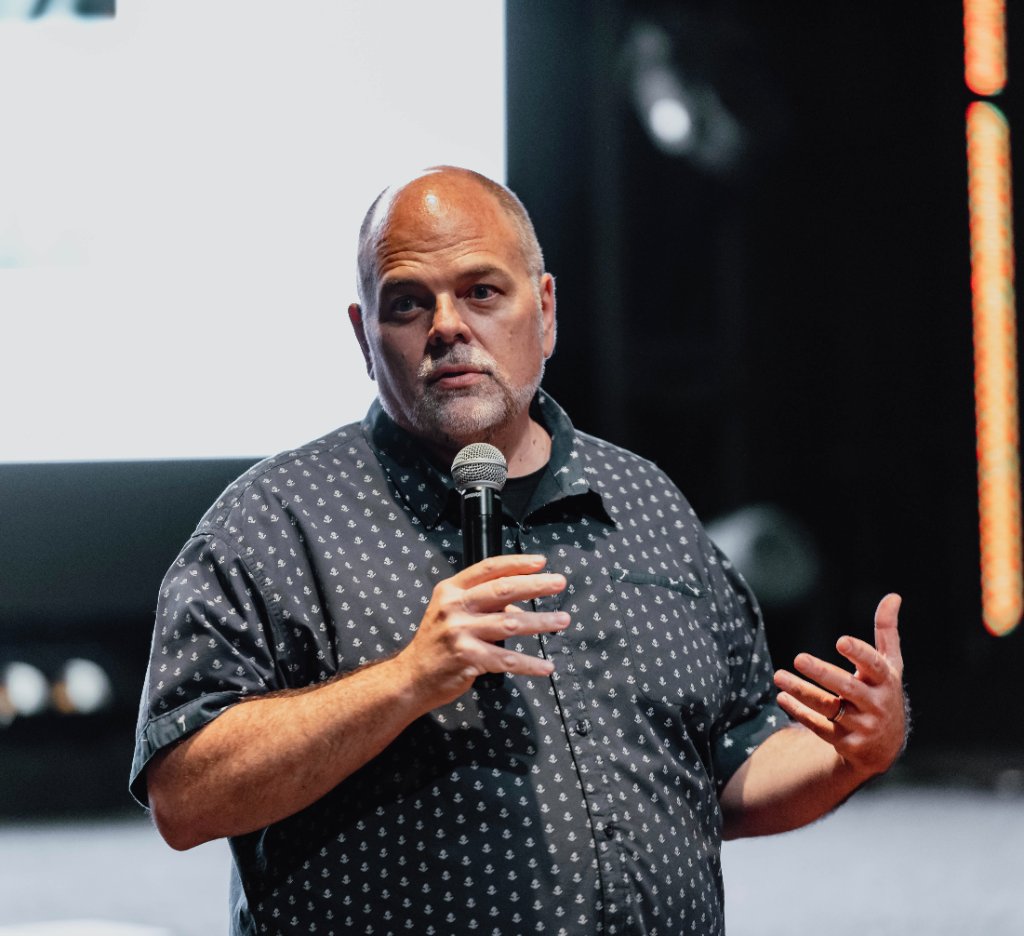
Wayne Lanier
Founder & Executive Director, Labor of Love International Ministries
Wayne Lanier has 35+ years of experience in foster care, adoption, FASD advocacy, and global orphan ministry. He and his wife Diana adopted five children through the foster care system and co-founded Labor of Love International Ministries to equip local churches to care for vulnerable children in the U.S. and around the world.
Read more about Wayne & Diana →