
FASD is the leading cause of preventable brain injury in the Western world. Yet most foster and adoptive families enter the journey with no training, no tools, and no warning.
Wayne and Diana Lanier have five adopted children — every one of them affected by Fetal Alcohol Spectrum Disorders. They spent years figuring out what FASD actually is, what it looks like, and what actually helps. What they learned through hard experience, they now share with churches, families, and educators across the country.
This is what they wish someone had told them at the beginning.
What Is FASD?
Fetal Alcohol Spectrum Disorders (FASD) is an umbrella term describing a range of lifelong conditions that result from prenatal alcohol exposure. When a pregnant woman consumes alcohol, it crosses the placental barrier and reaches the developing fetus — whose liver cannot process it at all. The result is direct, irreversible damage to the developing brain and central nervous system.
FASD is not a single diagnosis. It encompasses several specific conditions:
- •Fetal Alcohol Syndrome (FAS): The most recognizable form, often with distinct facial features and significant cognitive/behavioral challenges.
- •Partial FAS (pFAS): Some physical features of FAS with behavioral and cognitive impairment.
- •Alcohol-Related Neurodevelopmental Disorder (ARND): Primary neurological and behavioral impairments without the physical features — the most commonly missed form.
- •Alcohol-Related Birth Defects (ARBD): Physical defects affecting the heart, kidneys, bones, or hearing.
- •Neurobehavioral Disorder with Prenatal Alcohol Exposure (ND-PAE): The newest diagnostic category, recognizing the breadth of alcohol's neurological impact.
How Common Is FASD?
More common than most people realize. Current estimates suggest that FASD affects between 2% and 5% of the U.S. population — making it more prevalent than autism spectrum disorder. Yet it receives a fraction of the research funding, awareness, and support infrastructure.
Among children in foster care, the prevalence is dramatically higher. Studies suggest that anywhere from 10% to 80% of children in the foster care system have been exposed to prenatal alcohol — a reflection of the complex circumstances that often lead to child removal. This means that foster families who aren't trained in FASD are almost certainly parenting children with FASD without knowing it.
What Does FASD Look Like?
Because FASD is primarily a brain-based condition, its effects are largely invisible — which is both its defining feature and its greatest challenge. Children with FASD often look completely typical. They may be charming, social, and verbally articulate. But underneath, their brain is working differently in ways that profoundly affect daily functioning.
Common characteristics of FASD include:
- •Poor impulse control — acting before thinking, despite repeated consequences
- •Difficulty connecting cause and effect — not learning from experience the way neurotypical children do
- •Inconsistent memory — can know something one day and appear to have forgotten it entirely the next
- •Difficulty with abstract reasoning — struggles with concepts like time, money, and social consequences
- •Emotional dysregulation — intense emotional reactions that seem disproportionate to the situation
- •Social naivety — difficulty reading social cues and understanding others' intentions
- •Difficulty with transitions — heightened anxiety around change and unpredictability
- •Executive function deficits — planning, organizing, sequencing, and task completion
The Most Common Misdiagnoses
Because FASD is so widely underdiagnosed, children with FASD are frequently misdiagnosed with conditions that don't fully capture what's happening. Wayne and Diana's children were told they had:
- →ADHD (without FASD recognition)
- →Oppositional Defiant Disorder
- →Reactive Attachment Disorder
- →Conduct Disorder
- →Bipolar Disorder
Some of these may be accurate co-diagnoses. But treating ADHD without understanding FASD, or trying standard behavioral interventions for ODD when the underlying issue is a brain-based processing deficit, is like treating a broken leg with ibuprofen. It doesn't address the actual injury.
What Works: A Different Parenting Paradigm
Here's what Wayne and Diana learned over 35 years — and what the research increasingly confirms: standard parenting strategies often backfire with FASD-affected children. Consequences don't generalize. Punishments don't prevent repeat behaviors. Lectures and logical explanations often don't land.
What does work:
- •Supervision, not consequences: Children with FASD often need external structure rather than internal accountability. Think supervision, not punishment.
- •Visual cues and routines: Written schedules, picture-based instructions, and consistent routines reduce the cognitive load and support executive function.
- •Shorter feedback loops: Connect behavior to outcome as immediately as possible. Abstract future consequences have little impact.
- •Regulation before reasoning: When a child is dysregulated, their brain literally cannot process information. Co-regulation (staying calm with them) must come before any conversation.
- •Trauma-informed care: FASD and trauma often co-occur. Understanding both — and addressing both — is essential.
- •Celebration of strengths: Children with FASD often have remarkable gifts: creativity, loyalty, humor, musical ability. Build on these relentlessly.
"You don't erase FASD. But you can build a new story around it — a story of hope. Our job is not to fix our kids. Our job is to love them, understand them, and help them understand themselves."
— Wayne Lanier, Labor of Love International
How the Church Can Help
One of the most powerful things a local church can do for foster and adoptive families is provide FASD training and trauma-informed support. Most families are navigating this without support systems — and without the information they need.
Churches can:
- →Host FASD awareness workshops for their congregation
- →Train Sunday school teachers and youth workers in trauma-informed care
- →Form a dedicated support group for foster and adoptive parents
- →Provide respite care to give primary caregivers regular breaks
- →Create a culture where these families feel seen and supported, not judged
Labor of Love offers training, resources, and consulting to help churches and families navigate FASD with competence and grace. Learn more about our FASD support programs — or contact Wayne directly to explore how we can serve your family or congregation.
Support This Mission
Your giving directly funds foster care support, orphan care in India, indigenous pastor training, and clean water wells for persecuted communities.
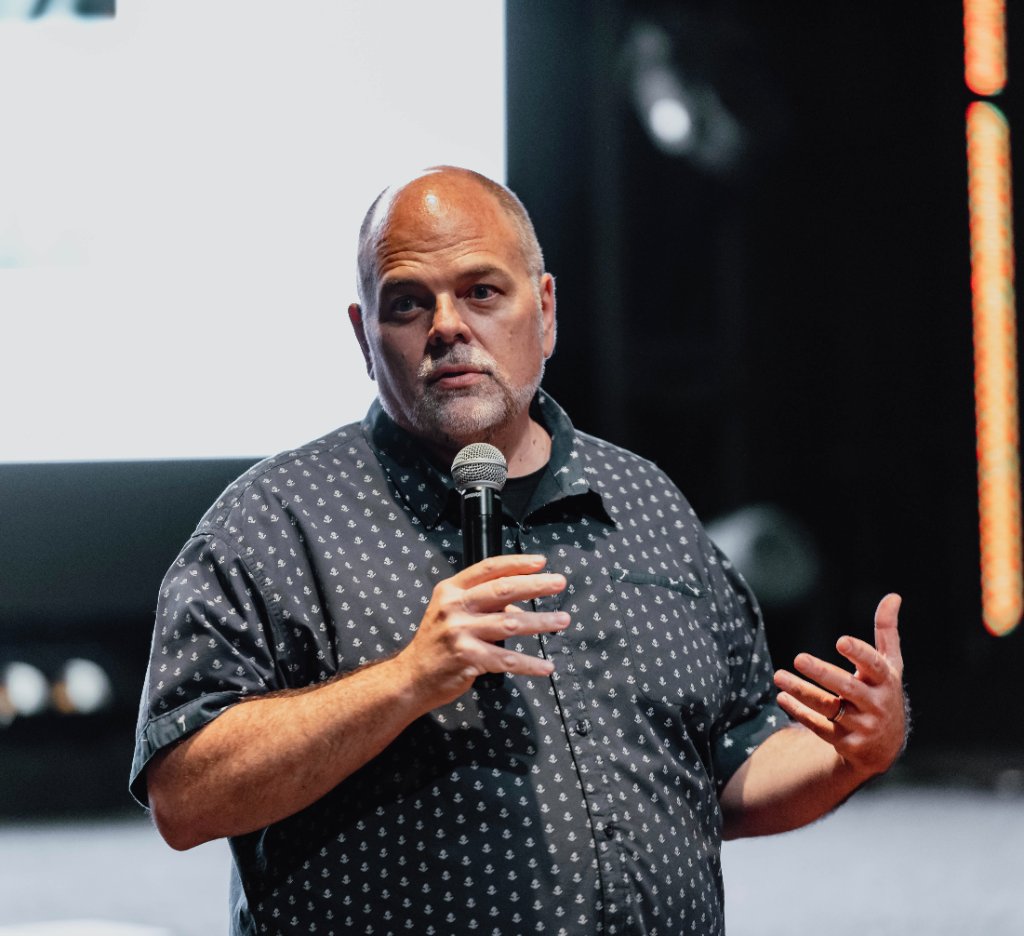
Wayne Lanier
Founder & Executive Director, Labor of Love International Ministries
Wayne Lanier has 35+ years of experience in foster care, adoption, FASD advocacy, and global orphan ministry. He and his wife Diana adopted five children through the foster care system and co-founded Labor of Love International Ministries to equip local churches to care for vulnerable children in the U.S. and around the world.
Read more about Wayne & Diana →